

How Social Media Is Destroying Relationships 2026
Social media has become a powerful force in everyday life, shaping the way people connect, communicate, and build relationships. Popular platforms such as Facebook, Instagram, WhatsApp, TikTok, and X (Twitter) have transformed emotional expression and interaction, influencing friendships, family connections, romantic relationships, and even professional networks. The impact of social media on relationships is now deeper than ever before.
Although social media makes communication faster and allows people to stay connected across long distances, it also creates challenges. Misunderstandings, jealousy, unrealistic comparisons, and emotional detachment are common social media effects on relationships. To maintain healthy bonds, it is important to understand how social media affects relationships, both positively and negatively. This article on sociallif.com explores the real impact of social media on relationships and shares practical strategies to manage its influence in a balanced and meaningful way.

Positive Impact of Social Media on Relationships
1. Stronger and Faster Communication
One of the most significant social media effects on relationships is improved communication. Social media platforms provide instant connectivity, allowing people to interact in real-time, regardless of geographic barriers. Long-distance couples, families living in different countries, or friends separated by work or life circumstances can maintain daily communication through messaging apps, video calls, and voice notes.
For example, a couple in a long-distance relationship can share updates throughout the day using Instagram or WhatsApp, which keeps them emotionally connected despite physical distance. Similarly, family members living abroad can participate in important milestones, such as birthdays or graduations, by joining video calls. This demonstrates how how social media affects relationships by bridging gaps that would otherwise create emotional distance.
2. Better Emotional Support and Expression
Another positive impact of social media on relationships is its ability to provide emotional support and a platform for expression. People often find it easier to share their feelings online, whether through a heartfelt post, private message, or simple reaction to someone else’s content. This creates opportunities for empathy, encouragement, and affirmation, which strengthen the emotional foundation of relationships.
For instance, if a friend shares a personal struggle on Facebook or Instagram, supportive comments or messages can show that they are not alone. Couples can also use these platforms to send encouraging notes or celebrate each other’s achievements, enhancing emotional intimacy.

3. Rebuilding Lost Connections
Social media also plays a vital role in reconnecting with people from the past, highlighting another positive impact of social media on relationships. Childhood friends, former classmates, or distant relatives can rediscover one another through platforms like Facebook, Instagram, or LinkedIn.
Reconnecting with old friends can restore valuable relationships that were lost due to relocation, career changes, or busy schedules. For example, two college friends who lost touch after graduation may reconnect on Facebook, reigniting a friendship and even sharing life updates or planning reunions. These reconnections not only rekindle bonds but also provide a sense of nostalgia and emotional satisfaction.
4. Creating Supportive Online Communities
One of the most powerful social media effects on relationships is the creation of online communities. Social media platforms allow individuals to join groups or communities based on shared interests, hobbies, or life experiences. These communities provide opportunities for emotional connection, learning, and mutual support.
For example, new parents can join parenting groups on Facebook, where they exchange advice, share experiences, and provide emotional support. Similarly, individuals coping with mental health challenges can participate in support forums that offer empathy, resources, and encouragement. Professional networks, such as LinkedIn groups, allow colleagues to connect, collaborate, and grow together, which can also strengthen professional relationships.
5. Enhancing Shared Experiences
Social media allows couples, friends, and families to create and share experiences digitally, which strengthens relational bonds. Posting photos, videos, or updates about shared moments—such as vacations, celebrations, or hobbies—helps preserve memories and keeps others engaged in each other’s lives.
For instance, a couple documenting a trip on Instagram can enjoy reliving those moments together, while friends who could not attend can still feel included. Similarly, families separated by distance can share milestones like graduations or achievements, fostering a sense of togetherness. These shared experiences are a clear example of the positive social media effects on relationships, as they increase emotional closeness and provide a sense of participation.
6. Supporting Relationship Maintenance During Life Changes
Life transitions such as moving to a new city, starting a new job, or experiencing major personal events can strain relationships. Social media helps maintain bonds during these changes by offering an easy way to stay in touch, offer encouragement, and celebrate successes.
For example, when a friend moves abroad, regular messages, video calls, and social media updates allow the relationship to continue thriving despite physical distance. This demonstrates the valuable role of how social media affects relationships, showing that thoughtful use of social media can protect relationships from the challenges of life changes.
7. Encouraging Growth and Learning Together
Another positive impact of social media on relationships is the opportunity for growth and shared learning. Couples or friends can follow pages, watch videos, and engage with content that inspires self-improvement, skill-building, or intellectual development. Sharing this content and discussing it together fosters deeper conversations and strengthens emotional and intellectual bonds.
For instance, a couple interested in fitness can follow workout accounts, share progress updates, and motivate each other to stay active. Similarly, friends can explore educational content together, creating shared learning experiences. By encouraging mutual growth, social media supports positive social media effects on relationships and helps maintain meaningful engagement.
8. Facilitating Networking and Professional Support
Social media also positively impacts professional and networking relationships. Platforms like LinkedIn, Twitter, and industry-specific Facebook groups allow individuals to build professional connections, seek advice, and collaborate on projects. These interactions strengthen professional relationships while also indirectly enhancing personal bonds through shared professional interests.
This aspect highlights how how social media affects relationships, not only emotionally but also socially and professionally, expanding the scope of connections and opportunities. Articles on sociallif.com emphasize that balanced professional networking through social media can coexist with healthy personal relationships when managed mindfully.

Negative Impact of Social Media on Relationships
1. Decline in Face-to-Face Communication
One of the most significant ways how social media affects relationships is by reducing real-life interaction. When people spend long hours scrolling through feeds, messaging, or engaging in online activities, they often prioritize digital communication over personal conversations. This shift leads to a decline in meaningful face-to-face interactions, which are essential for building emotional intimacy.
The decline in face-to-face communication demonstrates a critical impact of social media on relationships: even though people may feel constantly connected online, the quality of those connections can deteriorate when offline interaction is neglected.
2. Increased Misunderstandings and Conflicts
Another major negative social media effect on relationships arises from miscommunication. Digital messages, comments, and posts often lack tone, body language, and facial expressions. This absence of context can cause simple statements to be misunderstood, escalating minor issues into significant conflicts.
For instance, a partner may misinterpret a short text message as being rude or indifferent, even if no harm was intended. Similarly, online discussions between friends can quickly turn into arguments because written words fail to convey emotion accurately. These misunderstandings highlight how how social media affects relationships, showing that online communication, while convenient, can sometimes amplify conflicts instead of resolving them.
3. Unrealistic Comparison and Insecurity
Constant exposure to carefully curated online content is another significant negative impact of social media on relationships. Platforms like Instagram, Facebook, and TikTok often showcase idealized versions of life, love, and success. Comparing one’s own relationship to these online portrayals can lead to insecurity, dissatisfaction, and jealousy.
For example, seeing a friend post about a romantic vacation may make someone feel that their own relationship is inadequate. Similarly, couples may begin to doubt each other’s commitment when comparing themselves to seemingly “perfect” relationships online. This unrealistic comparison is one of the most damaging social media effects on relationships, as it fosters self-doubt, anxiety, and emotional tension.
4. Privacy and Trust Problems
Oversharing personal life or relationship issues online can create significant trust problems. Discussing conflicts, private moments, or sensitive information on social media invites opinions from outsiders, which can damage the intimacy of a relationship.
This highlights a critical impact of social media on relationships: digital platforms can compromise privacy and trust if boundaries are not respected. Understanding how social media affects relationships in terms of confidentiality is vital to prevent conflicts and maintain respect between partners, friends, and family. According to sociallif.com, couples who set clear digital boundaries experience stronger trust and more secure connections.
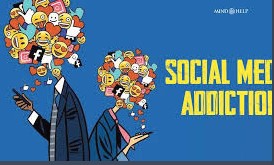
5. Social Media Addiction and Emotional Neglect
Perhaps the most pervasive negative social media effect on relationships is addiction and emotional neglect. Excessive scrolling, endless notifications, and constant engagement with online content can become compulsive, drawing attention away from loved ones.
Understanding how social media affects relationships in this context is critical. Addiction to digital platforms replaces meaningful human interaction with superficial engagement, reducing emotional presence. Insights from sociallif.com recommend setting limits on daily usage, prioritizing in-person communication, and practicing mindfulness to counteract the detrimental effects of social media addiction.
6. Reduced Relationship Satisfaction
The combination of decreased face-to-face communication, misunderstandings, jealousy, privacy breaches, and emotional neglect contributes to reduced relationship satisfaction. Couples, friends, and families may feel less connected, more frustrated, and less emotionally fulfilled. The cumulative social media effects on relationships can, therefore, threaten the stability and quality of interpersonal bonds.
By recognizing these negative impacts, individuals can take proactive measures to restore balance. Strategies include setting boundaries, limiting time on social media, communicating openly about online habits, and prioritizing real-life interactions—all of which are emphasized on sociallif.com as effective approaches to mitigating harm.
7. Steps to Minimize Negative Effects
Understanding the negative impact of social media on relationships allows users to take action:
-
Limit screen time: Use phone apps or built-in trackers to reduce excessive social media use.
-
Communicate openly: Discuss online habits and expectations with partners and family.
-
Set privacy boundaries: Avoid sharing sensitive information publicly.
-
Prioritize offline interactions: Ensure quality time together without digital distractions.
-
Monitor emotional reactions: Be aware of jealousy, comparison, or insecurity triggered by online content.
These steps help individuals manage how social media affects relationships, turning potential harm into mindful usage.
Tools to Manage the Impact of Social Media on Relationships
Managing the impact of social media on relationships is essential to maintain healthy connections. Here are effective tools and strategies that show how social media affects relationships and how to reduce its negative effects, as discussed on sociallif.com.
1. Screen Time Management Tools
Excessive social media use can strain relationships. Most smartphones now include screen time trackers that monitor how long you spend on each app. Setting daily limits helps balance online and offline life, reducing the negative social media effects on relationships.
Examples:
-
Digital Wellbeing (Android)
-
Screen Time (iOS)
2. Privacy and Control Settings
Adjusting privacy settings is a crucial way to protect relationships. Social media platforms allow users to control who can view posts, comment, or send messages. Proper privacy management prevents misunderstandings and unnecessary exposure, minimizing the harmful impact of social media on relationships.
3. Communication Tools
Using video calls, voice notes, and direct messages instead of relying solely on text reduces misunderstandings. These tools improve clarity, showing how social media affects relationships positively when used mindfully.
4. Content Filtering Tools
Unfollowing, muting, or blocking content that triggers negativity, jealousy, or stress helps maintain emotional well-being. This simple step can significantly reduce the social media effects on relationships caused by constant comparison or anxiety.
5. Relationship Agreements
Setting mutual rules between partners or family members—such as no phones during meals or before bedtime—supports real-life connection. Establishing boundaries demonstrates how intentional social media use can lessen the negative impact of social media on relationships, a strategy often recommended on sociallif.com.
Free Simple Diet Plans for College Students 2026
Comparison Table: Healthy vs Unhealthy Social Media Use in Relationships
| Aspect | Healthy Use | Unhealthy Use |
|---|---|---|
| Communication | Enhances understanding | Replaces real conversations |
| Time Management | Balanced online and offline time | Excessive scrolling |
| Privacy | Respects boundaries | Oversharing personal issues |
| Trust | Builds transparency | Causes jealousy and suspicion |
| Emotional Connection | Supports relationships | Creates emotional distance |
Bonus Tips for Healthy Social Media Use
Maintaining a healthy balance between online activity and real-life connections is key to reducing the impact of social media on relationships. Here are some practical tips to manage how social media affects relationships and minimize negative social media effects on relationships, as shared on sociallif.com:
-
Practice Digital Detox Days
Step away from social media regularly to give attention to in-person connections. Reducing screen time helps strengthen emotional bonds and improves overall relationship quality. -
Communicate Social Media Expectations
Discuss your social media habits and boundaries openly with partners, family, or friends. Clear communication prevents misunderstandings and highlights how social media affects relationships positively when managed well. -
Avoid Sharing Sensitive Relationship Matters Online
Keep private discussions offline to protect trust and reduce unnecessary conflicts. This helps limit the negative social media effects on relationships. -
Follow Positive and Growth-Oriented Content
Engage with content that inspires learning, motivation, and personal growth rather than posts that trigger comparison or jealousy. This supports a healthier digital environment. -
Be Mindful Before Posting
Think before you share—ask yourself if your post adds value or could potentially harm someone. Mindful posting reduces the negative impact of social media on relationships, helping maintain trust and respect.
Real-Life Example
A married couple noticed frequent arguments due to excessive phone use. One partner felt ignored while the other was constantly scrolling through social media. After discussing the issue, they agreed to limit phone usage during evenings and spend quality time together. Within weeks, their communication improved, conflicts reduced, and emotional connection strengthened.
.
Common Mistakes People Make
Many people unknowingly allow social media to harm their relationships. Common mistakes include:
-
Checking Phones During Conversations – This reduces engagement and creates emotional distance, showing one of the negative social media effects on relationships.
-
Comparing Relationships with Online Portrayals – Unrealistic comparisons can lead to jealousy and dissatisfaction, highlighting the negative impact of social media on relationships.
-
Sharing Private Conflicts Publicly – Posting sensitive issues online can damage trust and invite outside interference.
-
Assuming Online Silence Means Disinterest – Misinterpretation of digital behavior can lead to unnecessary arguments, illustrating how social media affects relationships.
-
Ignoring Boundaries Related to Online Interactions – Disrespecting limits can create tension, reduce trust, and negatively impact relationships, as noted on sociallif.com.
Frequently Asked Questions (FAQs)
Q1: Can social media ruin relationships?
Social media itself does not ruin relationships, but excessive or careless use can create problems if not managed properly.
Q2: How much social media use is healthy?
Healthy use varies by individual, but balance is key. Social media should support, not replace, real-life connections.
Q3: Should couples share passwords?
Sharing passwords is a personal choice. Trust matters more than access, and boundaries should be respected.
Q4: How can jealousy caused by social media be reduced?
Open communication, limiting exposure to triggering content, and building self-confidence can help reduce jealousy.
Q5: Is taking breaks from social media beneficial?
Yes, short breaks can improve mental health, focus, and relationship quality.
Conclusion
Social media affects relationships in powerful ways, bringing both benefits and challenges. When used consciously, social media can enhance communication, provide emotional support, and help maintain long-distance connections. However, excessive or careless use can cause misunderstandings, jealousy, insecurity, and emotional distance—highlighting the negative social media effects on relationships.
Understanding how social media affects relationships is crucial for building healthy, lasting bonds. By setting boundaries, leveraging useful tools, and prioritizing real-life interactions, individuals can enjoy the benefits of social media without letting it harm their relationships. As emphasized on sociallif.com, technology should complement human connection rather than replace it, ensuring that relationships grow stronger, healthier, and more meaningful in today’s digital age.